
A great espresso starts with the right coffee beans. Breville espresso machines let you make cafe-style drinks at home, but honestly, they only shine when you give them good beans. The kind of beans you pick will shape the taste, crema, and how satisfying every shot feels.
Some coffee beans just work better in espresso machines. Roast level, freshness, and oil content all play a part. Espresso needs a fine grind and high pressure, so the beans should have certain qualities to pull a good shot. Medium to dark roasts usually do the trick since they’ve got the oils and flavors that make espresso rich and smooth. Single-origin beans bring unique flavors, while blends aim for consistency and a solid crema.
When you’re shopping for espresso beans, keep an eye on roast date and how the beans were processed. Beans roasted within the last two to four weeks usually taste best. Roast level matters too: lighter roasts can turn out sour, and super dark ones might come off bitter. We tried out a dozen different coffee beans with Breville machines to see which ones actually deliver on flavor and consistency.
Best Coffee Beans for Breville Espresso Machines
Here’s our full list of coffee beans that impressed us with Breville espresso machines. We tried each to see which ones bring out a rich crema and balanced flavor in these home espresso makers.
Lavazza Super Crema Whole Bean
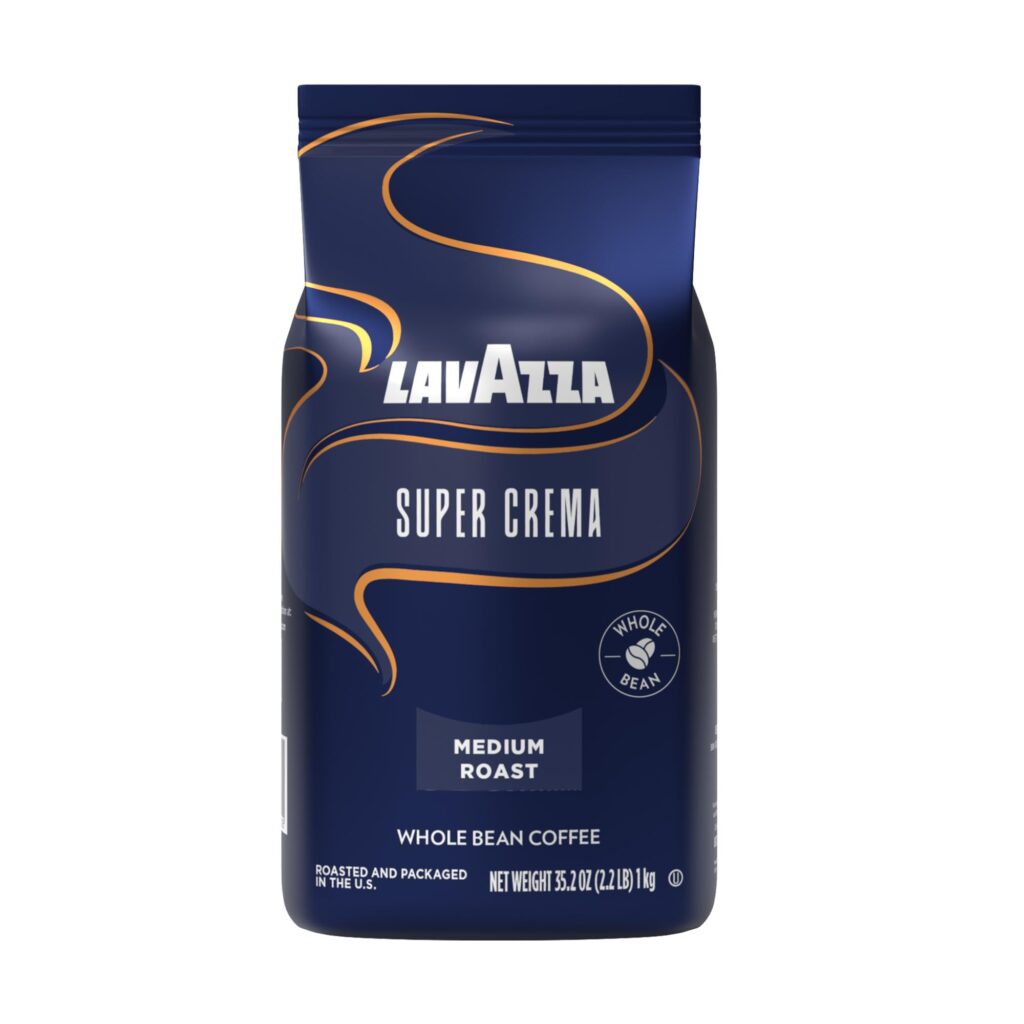
This blend gives you smooth, creamy espresso shots with hazelnut and brown sugar notes that pair nicely with Breville machines.
Pros
- Makes thick, velvety crema that sits beautifully on your espresso
- Balanced flavor without harsh bitterness, so it’s easy to drink every day
- Good value for the quality and amount you get
Cons
- The bag doesn’t reseal, so you’ll need another container to keep beans fresh
- Medium roast might taste too mild if you’re after a bold, intense cup
- Has robusta beans, which some coffee folks tend to avoid
We’ve been pulling shots with these beans in our Breville for weeks, and each time the results hold up. The crema comes out thick and creamy with a nice tan color covering the whole cup. Every shot has this sweet, nutty flavor that barely needs any sugar or milk.
The moment you open the bag, the smell hits you: caramel and nuts, mostly. Grinding them fresh in the morning fills the kitchen with that aroma. Our Breville’s grinder handles these beans without a fuss, giving us an even grind for smooth extraction.
The taste lands right in that sweet spot between bold and smooth. There’s enough body to remind you it’s espresso, but you don’t get punched with bitterness. We’ve used this blend for straight shots, lattes, and cappuccinos, and it fits all of them.
The 2.2 pound bag disappears fast if you make several drinks a day. We stash ours in an airtight container since the original bag just folds over. The beans keep fresh for a couple weeks if stored right, though the best flavor comes in the first week after opening.
Gavina Old Havana Espresso
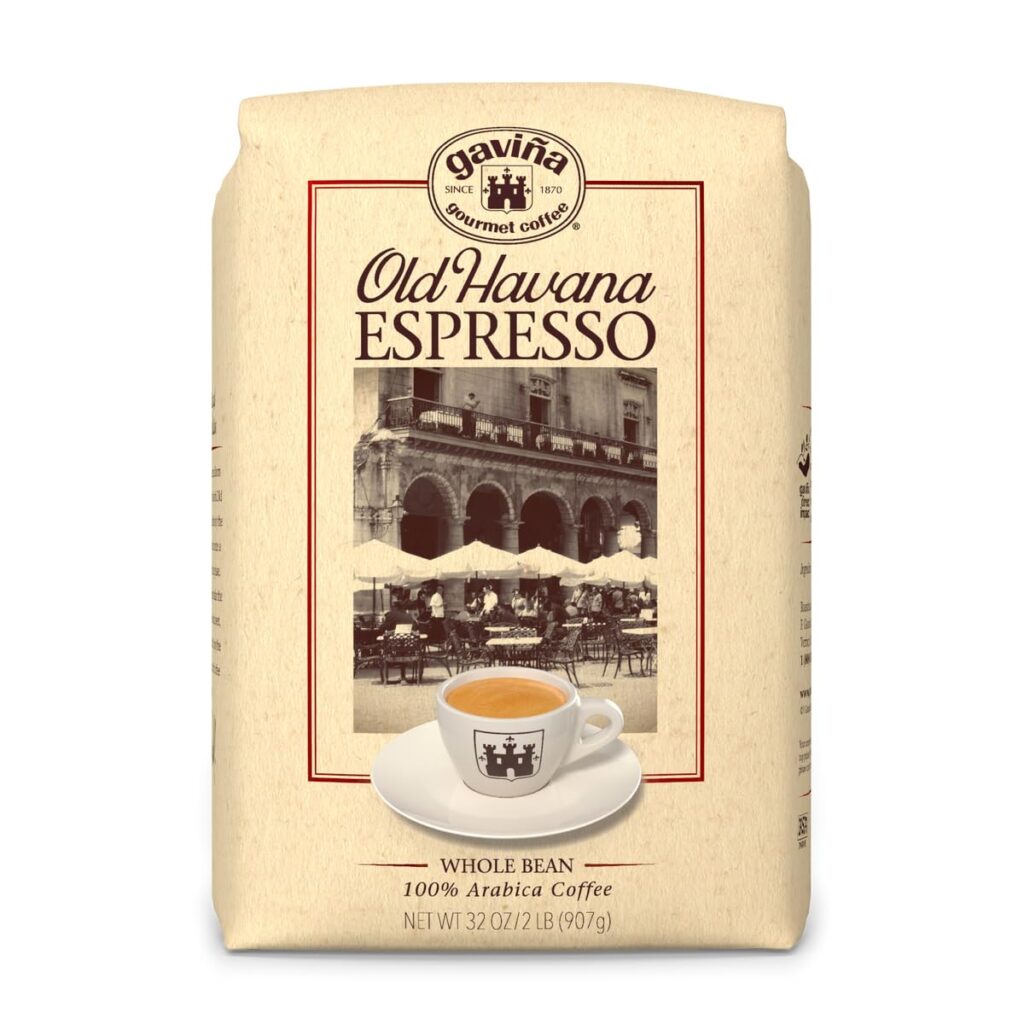
This medium-dark roast brings authentic Latin espresso flavor that works well with Breville machines, especially if you want a balanced cup instead of something super dark.
Pros
- Fresh beans pull smooth shots with great crema, time after time
- Nutty sweetness and a bit of citrus for a rounded flavor
- The 32-ounce bag gives good value for regular espresso drinkers
Cons
- Some bags show up damaged from shipping
- Roast is lighter than what some Cuban coffee fans expect
- Might feel too mild if you want a really bold espresso
We’ve been using the Gavina Old Havana Espresso in our Breville for a few weeks, and it keeps producing lovely crema. The beans arrive fresh, and you notice the difference when you grind them just before brewing. Every shot comes out smooth, without harsh bitterness.
The flavor leans sweet, with nutty notes and a little citrus. This works especially well for milk-based drinks like lattes and cappuccinos. The medium-dark roast has enough body to stand up to milk but doesn’t overpower the drink.
We should mention, though, that this roast runs lighter than what some folks expect from Cuban-style coffee. If you grew up on traditional cafecito, this blend might seem too mellow for straight espresso. We did get one bag with a small tear, but the beans inside stayed fine.
Grinding these beans right before brewing works best, since they lose aroma faster than darker roasts. We set our Breville grinder a notch finer, and our extraction times landed right where they should. The shots tasted balanced and clean, with no sourness or over-extraction.
For the price, especially for a two-pound bag, Gavina Old Havana brings good value if you drink espresso regularly. The family-run roaster in Los Angeles keeps the quality steady from batch to batch.
Starbucks Espresso Roast Whole Bean
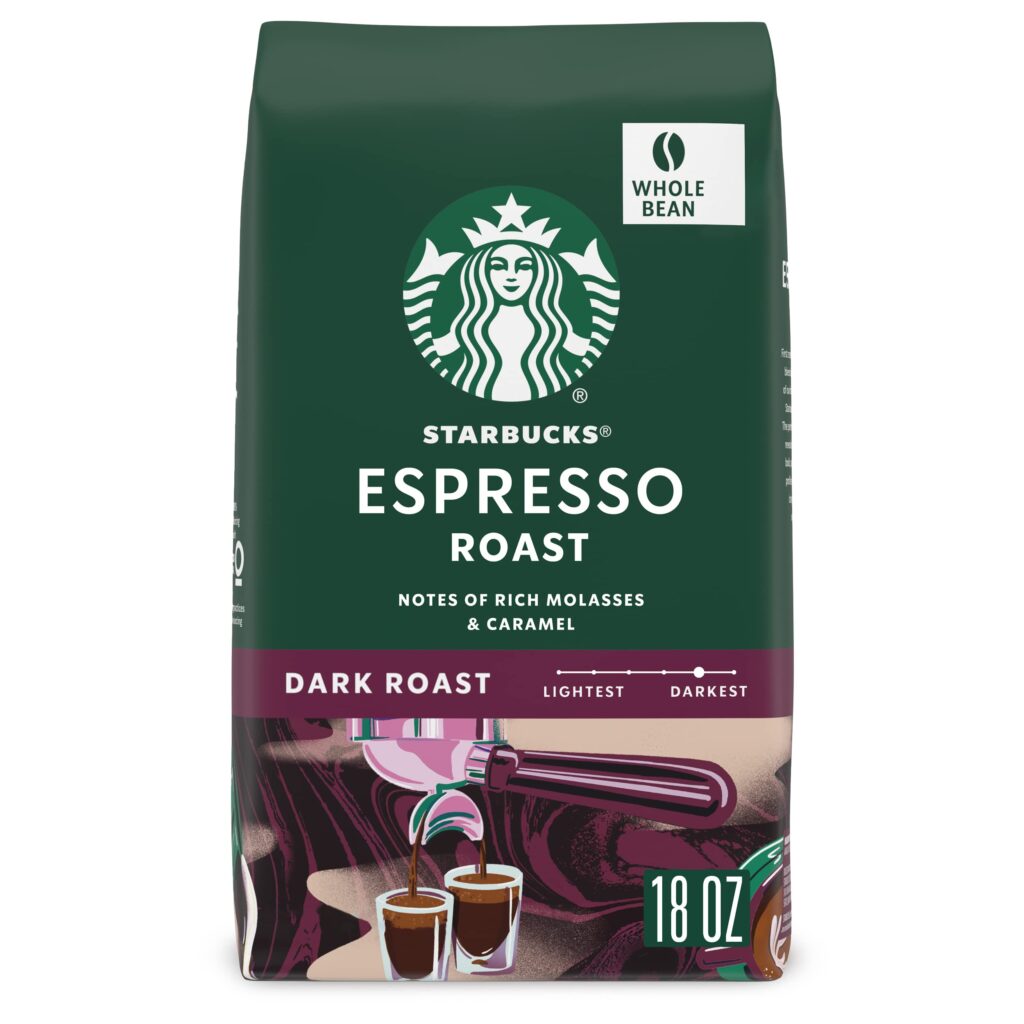
This classic dark roast brings the bold espresso flavor your Breville machine can handle, and it’s affordable, too.
Pros
- Makes rich shots with caramel and molasses notes that work nicely in milk drinks
- Consistent roast quality, so you won’t need to fiddle with grinder settings much between bags
- Easy to find in stores if you run out and need beans fast
Cons
- The dark roast can taste a bit bitter if you like lighter, fruitier espresso
- Some bags arrive less fresh, depending on where you buy them
- Takes a couple shots to dial in the extraction when you start a new bag
We pulled our first shot with the Starbucks Espresso Roast and noticed the strong, classic espresso vibe right away. The beans ground evenly, and our Breville’s portafilter stayed clear. The crema was thick and lasted through the whole drink.
The taste is classic dark roast all the way. There’s caramel sweetness, but it comes with a bold punch that might be too much for some. In lattes and cappuccinos, the coffee flavor stands up to the milk and doesn’t fade away.
Fresh bags gave us better shots than ones we’d left sitting around for a few weeks. We got the best results by using the beans within a month of opening. The 18-ounce bag size worked for us since we could finish it before the beans lost their edge.
If you’re after wild flavor notes or single-origin complexity, this probably won’t wow you. But it delivers what it promises: sturdy, reliable espresso you’d expect from a coffee shop. For the price and how easy it is to find, it’s a solid everyday pick for your Breville.
Buying Guide
When we shop for coffee beans for our Breville espresso machines, a few things matter most. The right beans can take your espresso from decent to fantastic.
Roast Level
The roast level shapes flavor and affects how the beans work with your machine. Here’s the gist:
| Roast Type | Flavor Profile | Best For |
|---|---|---|
| Light | Bright, acidic, fruity | Single-origin espresso |
| Medium | Balanced, smooth | Daily espresso drinks |
| Dark | Bold, low acidity | Traditional espresso |
Medium to dark roasts usually work best for espresso. Light roasts can be tricky to extract just right.
Bean Freshness
Fresh beans matter a lot for good espresso. Look for beans roasted in the past two to four weeks. Always check the roast date on the package.
Whole Bean vs Pre-Ground
Whole beans beat pre-ground every time. Since Breville machines have grinders built in, you can grind right before brewing. That keeps your coffee tasting fresh and lively.
Origin and Blend
Single-origin beans come from one region and have unique flavors. Blends mix beans from different places for a more balanced taste. Neither is automatically better – it depends on what you like.
Price Considerations
Quality beans cost more, but we don’t have to pick the priciest ones. It’s better to look for beans that fit the budget and are still fresh and properly roasted.