
(updated August 24th, 2026)
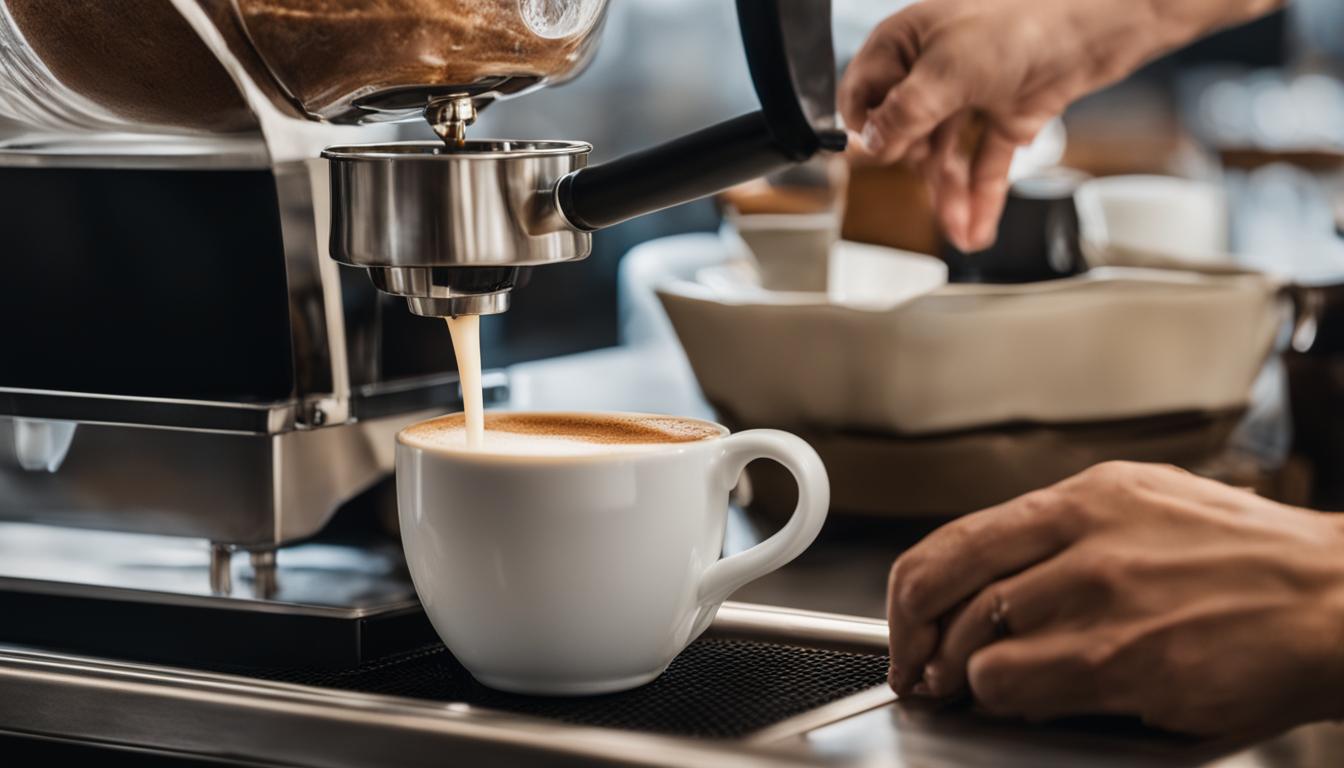
A cappuccino is 25 ml of espresso and 100 ml of cold whole milk, steamed to 55-65°C until it grows to about 125 ml, poured into a 150-180 ml cup so it finishes with at least a centimetre of foam standing above the coffee. That’s it. Two ingredients, one temperature, one cup size.
The milk is the hard part, so most of this page is about the milk.
What you need
Less than you’d think, and none of it has to be expensive.
- A way to make espresso. A machine is easiest. A moka pot or an AeroPress gets you close enough that the drink still works.
- A way to heat and aerate milk. A steam wand, a handheld frother, or a French press and a bit of patience.
- Cold whole milk, straight from the fridge. Around 3.5% fat.
- A thermometer. The cheapest piece of kit here and the one that changes the result fastest.
- A cup that holds 150 to 180 ml, which is 5 to 6 ounces. Bigger cups quietly turn this into a latte.
How to make a cappuccino, step by step
Six steps, and only one of them is difficult.
- Warm the cup. Run it under hot water and tip it out. A cold cup takes the edge off a small drink immediately.
- Pull 25 ml of espresso into the cup. Outside Italy a standard single shot is nearer 30 ml, and that’s fine.
- Pour 100 ml of cold milk into the jug. It grows by about a quarter as it steams, so give it room.
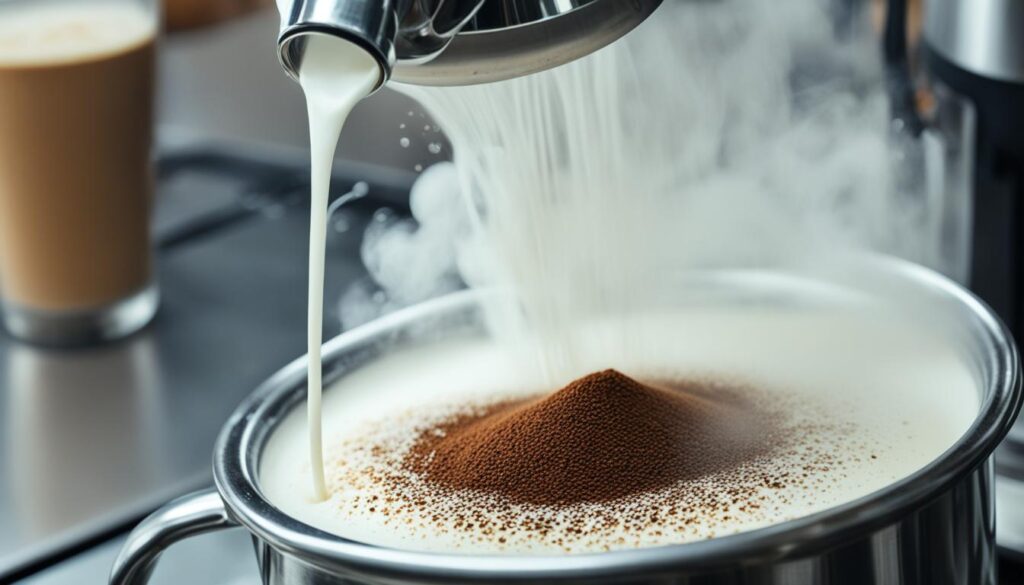
- Introduce the air at the very start only, with the tip of the wand just under the surface. That hiss is the whole foam. Then sink the wand deeper and stop the hissing.
- Keep steaming to 55-65°C and stop. The milk should be spinning, not bubbling. Past 70°C it starts to taste cooked.
- Swirl, tap the jug once, and pour. Pour from a height to start, then drop close to the surface at the end to let the foam out.
The numbers, in one place
These are the specified figures rather than a house recipe. The espresso and milk volumes are what the Istituto Espresso Italiano certifies; the temperature is the Specialty Coffee Association’s, reported by Perfect Daily Grind.
| Element | Figure |
|---|---|
| Espresso | 25 ml |
| Cold milk, before steaming | 100 ml |
| Milk after steaming | about 125 ml |
| In the cup | about 150 ml |
| Cup size | 150 to 180 ml (5 to 6 oz) |
| Milk temperature | 55 to 65°C (139 to 149°F) |
| Never exceed | 70°C (158°F) |
| Foam depth | at least 1 cm |
One number people expect to see here and won’t find: a one-third, one-third, one-third ratio. It’s the most repeated rule in coffee and it doesn’t survive the arithmetic, because equal thirds in a standard cup would need a 50 ml double shot. I’ve gone through how many ml is a cappuccino separately.
How do you get the milk texture right?
By putting the air in early and then stopping.
Foam is built by protein, not by fat. Heating unravels the whey proteins in the milk so they can wrap around each air bubble and hold it, which is why cold milk froths badly and why you cannot fix thin foam by steaming for longer. The air has to go in at the start, while the milk is still cold enough to take it.
Temperature is doing two jobs at once, and this is where most home cappuccinos fail. Below about 50°C the fats are still part solid and they puncture the bubbles as they form. Above 70°C the lactose starts reacting with the proteins and the milk tastes cooked, faintly eggy. The window is narrow and it is the single most useful thing to measure.
What you’re after is milk that looks like wet paint: glossy, no visible bubbles, folding over itself as it spins. If you can see individual bubbles you added air too late or for too long. There’s more on how long to steam milk for a cappuccino if you want the timing side of it.
Why doesn’t mine taste like the one in the coffee shop?
Usually one of three things, and none of them is the machine.
The cup is too big. A cappuccino is specified to arrive in something that holds 150 to 180 ml. If you’re building yours in a 300 ml mug you’re making a latte and comparing it to a cappuccino. Nothing else you change will close that gap. I’ve broken down what size cappuccino cups are in ounces if you want to check yours.
The milk is too hot. Without a thermometer it’s easy to steam until the jug is uncomfortable to hold, and that’s already past 70°C. Overheated milk loses its sweetness and picks up that cooked note, and no amount of good coffee hides it.
The coffee is stale. Not the beans you bought, the ones open on the counter since March. Espresso is unforgiving about this in a way filter coffee isn’t.
Can you make a cappuccino without an espresso machine?
Yes, and it’s closer than most people expect.
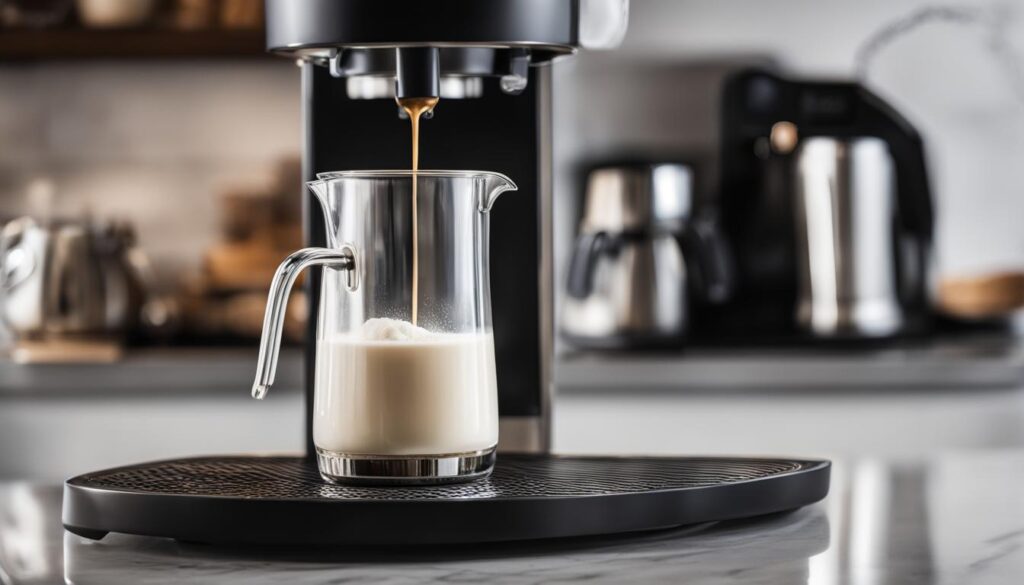
You need two things a machine normally provides: strong concentrated coffee, and aerated milk. A moka pot handles the first well. For the second, a French press aerates milk surprisingly effectively if you heat it first and then plunge it repeatedly, and an inexpensive handheld frother does the same job.
It won’t be identical. Moka pot coffee has no crema and a slightly heavier body, so the drink reads darker. But the foam is the part people notice, and the foam is achievable without any machine at all. There’s a full write-up on making a cappuccino with a French press.
What to fix first
Buy a thermometer and use a smaller cup. In that order.
I’d put both ahead of better beans, a better grinder or a better machine, and I know that’s the opposite of the usual advice. But temperature and volume are the two variables you’re currently getting wrong by a wide margin and can fix for almost nothing, whereas upgrading the machine improves something you’re probably already doing acceptably. Get the milk to 60°C in a 6 oz cup and the drink changes more than a new grinder will change it.