
(updated August 18th, 2026)
A cappuccino does contain the compound that raises cholesterol, but the amount is small and it has nothing to do with the milk. The compound is cafestol, it comes from the coffee oils, and how much ends up in your cup is decided almost entirely by how the coffee was brewed.
Espresso sits in the middle: well above paper-filtered coffee, well below a French press. So a cappuccino is not the drink to worry about first. If you drink French press coffee as well, that’s the one carrying the load.
What Is Cafestol?
It’s an oil-soluble compound found in coffee beans, and it’s the main reason coffee can raise cholesterol at all. Caffeine has nothing to do with it, which is why decaf doesn’t solve this one.
The important part is that a paper filter traps it. Cafestol travels in the oils, and paper holds the oils back. Anything brewed without paper, so espresso, French press, moka pot or Scandinavian boiled coffee, keeps more of it. That single fact explains most of the confusion around coffee and cholesterol, because studies that measured filter drinkers and studies that measured boiled-coffee drinkers were never looking at the same thing.
How Much Cafestol Is In A Cappuccino?
A cappuccino is one shot of espresso with milk on top, so its cafestol is whatever the shot brought with it. These concentrations were collected in the Tromsø Study, published in Open Heart. The per-serving column is worked out from those concentrations and the usual serving sizes rather than measured directly.
| How it’s brewed | Cafestol per liter | Roughly, per serving |
|---|---|---|
| Paper-filtered coffee | 5mg | about 1mg in an 8oz cup |
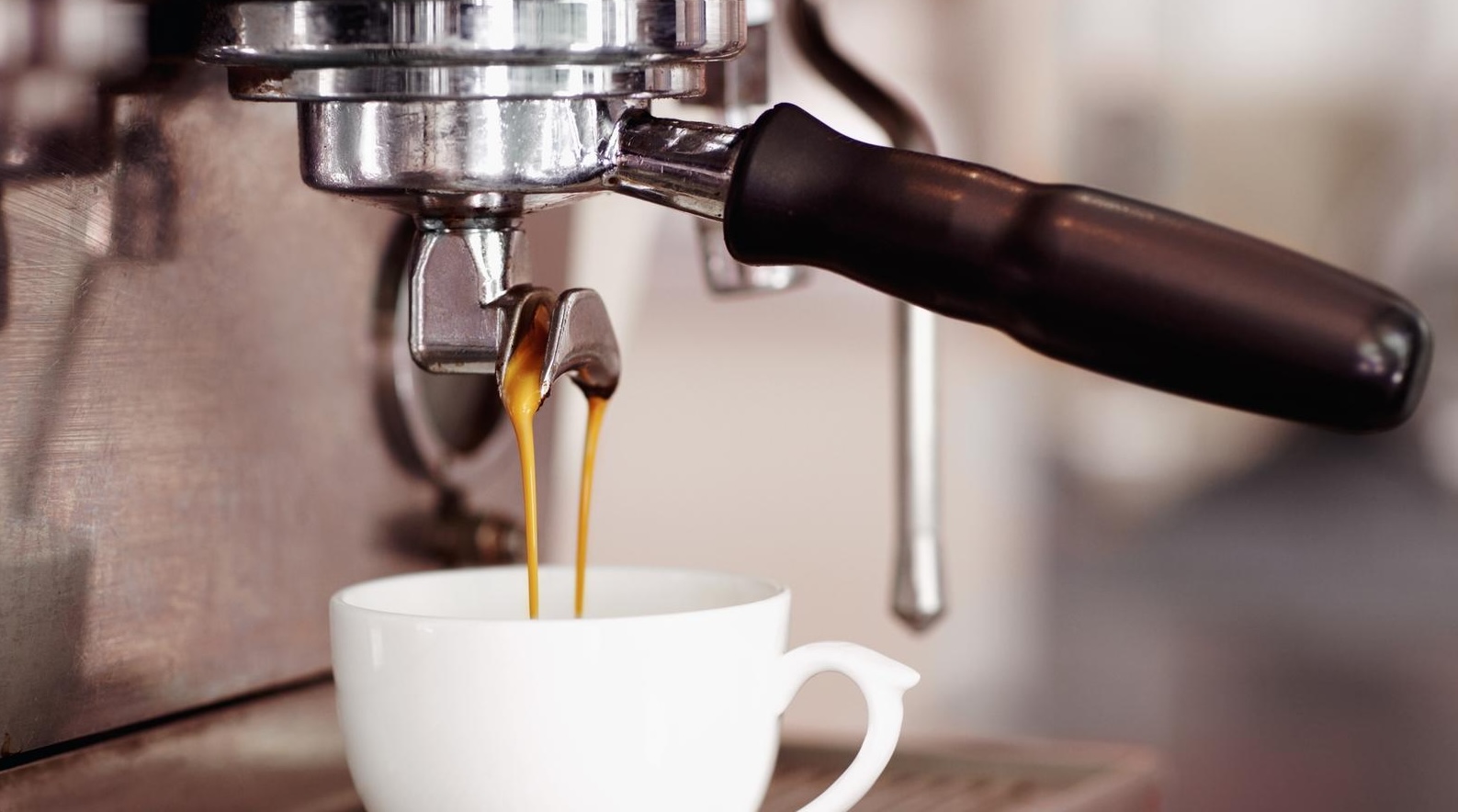
| Espresso machine, so a cappuccino | 54mg | about 1.6mg in one shot |
| Capsules, pods and vending machines | 10 to 43mg | under 1.3mg a shot |
| Moka pot | 36mg | varies with cup size |
| Boiled or French press | 232mg | about 35mg in a mug |
Read the middle column and espresso looks alarming next to filter coffee, roughly ten times the concentration. Read the right-hand column and the gap mostly disappears, because a shot is tiny and a mug of filter coffee is not. It’s the same trap as caffeine, where espresso reads as stronger than it is because concentration gets mistaken for dose.
The real outlier is the bottom row. A French press or a pot of boiled coffee carries something like twenty times what a cappuccino does.
How Much Does It Actually Raise Cholesterol?
Measurably, but by a small amount at normal drinking levels. The Tromsø Study looked at around 21,000 people and compared them by brewing method. Drinking three to five espressos a day was associated with total cholesterol higher by 0.16 mmol/L in men and 0.09 mmol/L in women, against people who drank none.
For comparison, six or more cups of boiled or French press coffee a day was associated with 0.30 mmol/L in women and 0.23 mmol/L in men. Six or more cups of filtered coffee showed 0.11 mmol/L in women and nothing significant in men.
Two honest limits on those numbers. It’s an observational study, so it shows an association rather than proving cause. And its “espresso” category included capsule machines and moka pots alongside café espresso, which we’ve just seen carry different amounts.
Does The Milk Make It Worse?
No, and this page used to say otherwise, so it’s worth correcting plainly. It previously described a cappuccino as high in calories and saturated fat. It isn’t. A traditional cappuccino is about 65 calories, nearly all of it milk, and roughly 100ml of milk is not a meaningful source of saturated fat in a normal diet.
Skim milk will shave a little fat off, but it does nothing at all to the cafestol, because cafestol comes from the coffee and not from the dairy. Changing your milk to help your cholesterol is fixing the wrong half of the drink.
Does The Type Of Bean Matter?
More than you’d think, and it runs opposite to what most people assume about bean quality. A review of the published measurements puts arabica cafestol at 182 to 1,308mg per 100g against robusta’s 0 to 20mg. The bean usually sold as the better one is the one carrying almost all of the cholesterol-raising compound.
In practice most espresso blends are arabica-led, so this is a detail rather than a lever. It’s worth knowing if you’re choosing beans anyway, and I’ve gone through that choice in which beans work best for cappuccino.
So Should You Change Anything?
If cholesterol isn’t something you’ve been told to watch, a cappuccino or two a day isn’t the thing to change. The numbers above are small, and they sit well below the drinks that actually move the needle.
If you are watching it, the useful move is the brew method rather than the drink. Switching a daily French press to paper-filtered coffee does far more than giving up your cappuccino. That’s where the twenty-fold difference sits, and it’s the change with the most behind it.
And the obvious caveat, which matters more on this page than most: this is what the published evidence says about coffee in general, not advice about you. If you’ve had a high reading, or you’re on medication for it, your doctor has your actual numbers and this page doesn’t.