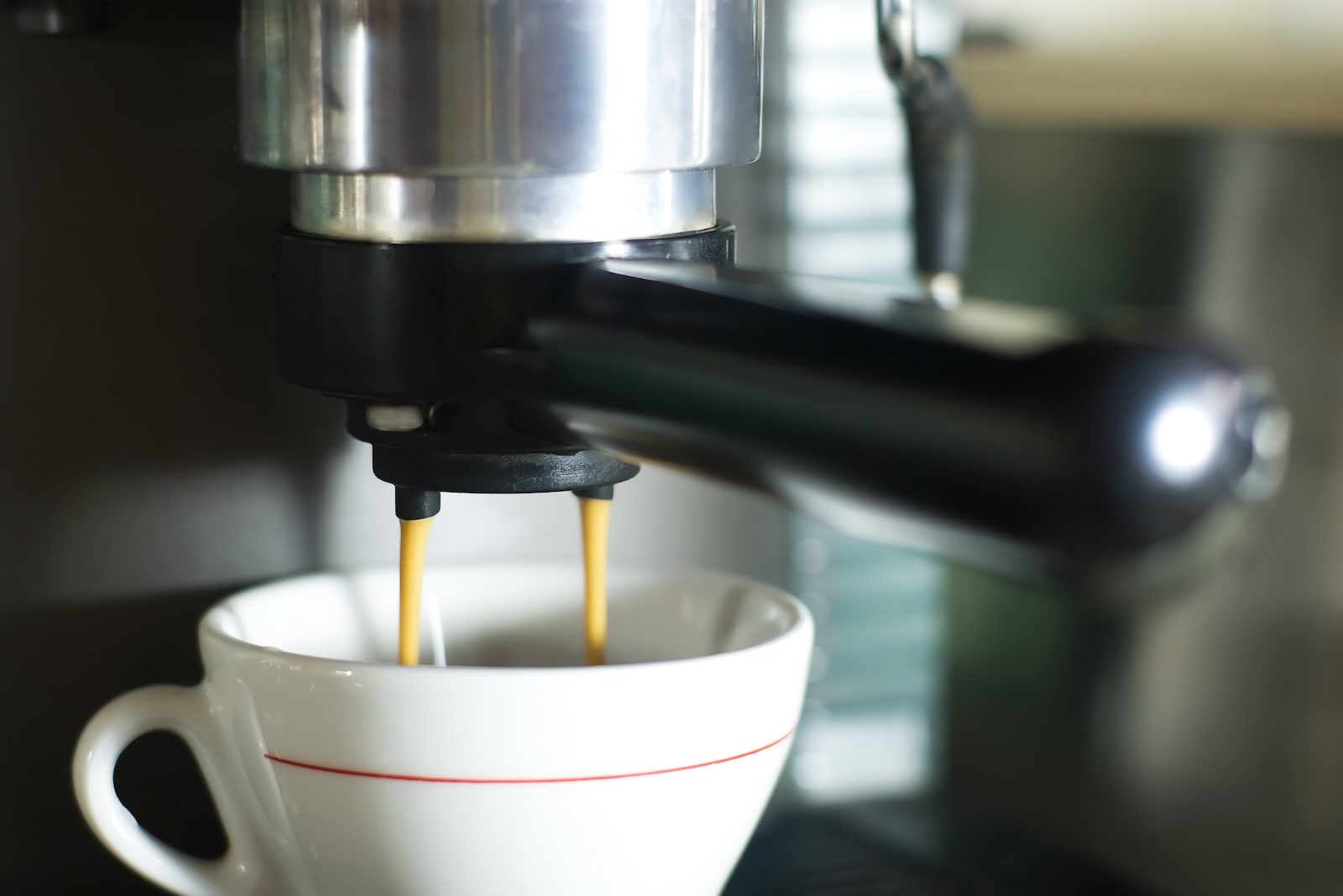

Home cappuccino machines come in several types: manual espresso machines, semi-automatic models, and fully automatic options. Manual machines offer the most control but take some practice. Semi-automatic machines handle some steps for you while still letting you tweak settings. Fully automatic machines do almost everything with a button press, so they’re the easiest but usually cost the most.
When picking a cappuccino machine, think about the type of milk frother and how much counter space you have. Steam wand frothers give you the most control and the best foam, but you’ll need to practice. Automatic frothers are simpler but might not make foam as fine. Size matters too since some models eat up a lot of space. I spent weeks researching and trying out cappuccino machines to find ones that make great drinks at home without needing barista skills.
Best Cappuccino Machines for Home
I tested dozens of cappuccino machines to find the ones that make café-quality drinks at home. My top picks balance performance, ease of use, and value to help you choose the right machine for your needs.
Breville Barista Express
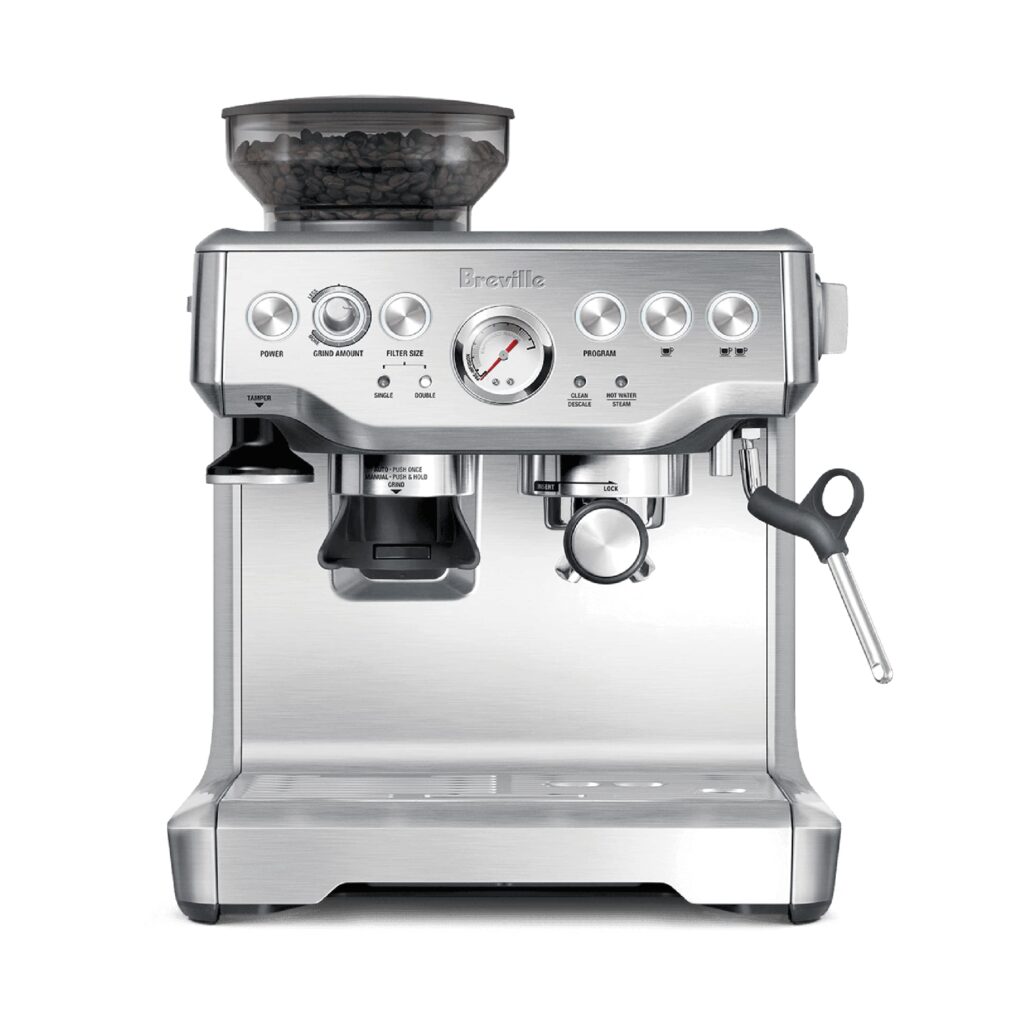
If you want cafe-quality cappuccinos without leaving your house and don’t mind spending time learning the machine, this is an excellent choice.
Pros
- Built-in grinder lets you go from whole beans to espresso in about a minute
- Steam wand creates the microfoam milk texture you need for cappuccino art
- Temperature control keeps water at the right heat for balanced flavor
Cons
- Takes practice to dial in the right grind size and pressure
- Cleaning the machine after each use adds extra time to your routine
- The unit takes up significant counter space
I’ve been using the Breville Barista Express for my morning cappuccinos, and the built-in grinder changed everything for me. Fresh grinding right into the portafilter makes a noticeable difference in taste. The grind dial gives me control over the coarseness, which I adjusted several times before finding the sweet spot.
The steam wand impressed me with its power. I can texture milk into that silky microfoam that makes cappuccinos special. It took me about a week to get comfortable with the technique, but now I can create decent latte art.
My shots pull consistently once I learned the machine’s quirks. The pressure gauge helps me see if I’ve tamped correctly. When the needle sits in the optimal zone during extraction, I know my cappuccino will taste right.
The cleaning routine is more involved than I expected. I wipe down the steam wand after every use and run the cleaning cycle regularly. The drip tray fills up quickly, but a little indicator pops up to let me know when it needs emptying.
This machine rewards the time you invest in learning it. My first few cappuccinos were disappointing, but after watching some videos and experimenting with grind settings, I started pulling shots that rival my local coffee shop. The stainless steel build feels solid and looks professional on my counter.
AMZCHEF Espresso Machine with Grinder
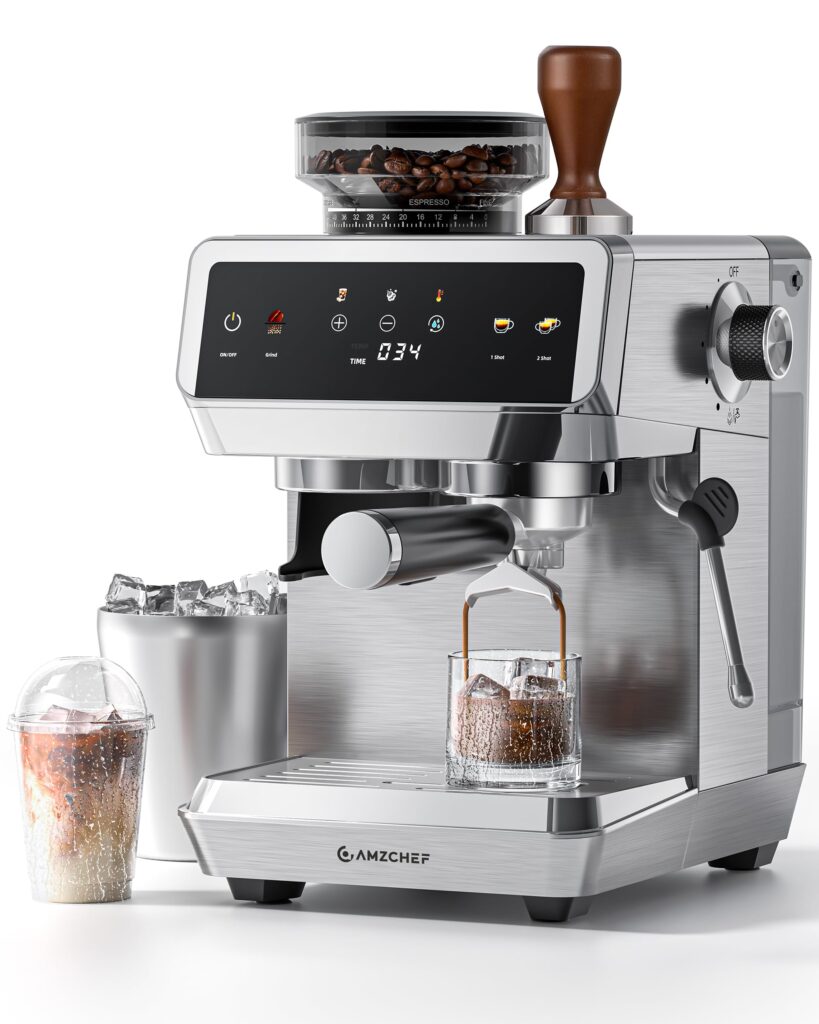
This machine works well if you want an all-in-one setup that grinds fresh beans and makes cappuccinos without buying separate equipment.
Pros
- The 44 grind settings let me adjust the texture from ultra-fine to coarse depending on what I’m making
- The steam wand creates proper microfoam quickly for cappuccinos and latte art
- The touch screen makes it easy to see brew time and temperature at a glance
Cons
- The coffee sometimes comes out cooler than I’d like even at the highest temperature setting
- At almost 14 pounds, it’s heavy and takes up a good amount of counter space
- The learning curve with all the grind options can feel overwhelming at first
I tested the AMZCHEF Espresso Machine for a full week and found it delivers on its main promise of grinding and brewing in one machine. The built-in grinder saved me counter space since I didn’t need a separate device.
The temperature control between 190°F and 201°F gave me some flexibility when I switched between different coffee beans. I noticed darker roasts worked better at lower temperatures while lighter roasts needed the higher end. The 60-ounce water tank meant I could make multiple drinks without constantly refilling.
Making cappuccinos became straightforward once I got used to the steam wand. It heated up fast and produced good microfoam for milk-based drinks. The cold brew function was a nice bonus feature that worked in a few minutes instead of the usual overnight wait.
The touch screen interface made sense after a couple uses. I could see all my settings clearly without guessing what the machine was doing. The one-touch brewing helped on busy mornings when I didn’t want to fiddle with multiple buttons.
My main issue was the coffee temperature. Even at the maximum 201°F setting, my drinks weren’t as hot as I prefer. The milk came out hotter than the espresso itself, which seemed backwards. The machine’s size and weight also meant I couldn’t easily move it around once I found a spot for it.
LOSRSWA Touchscreen Espresso Machine
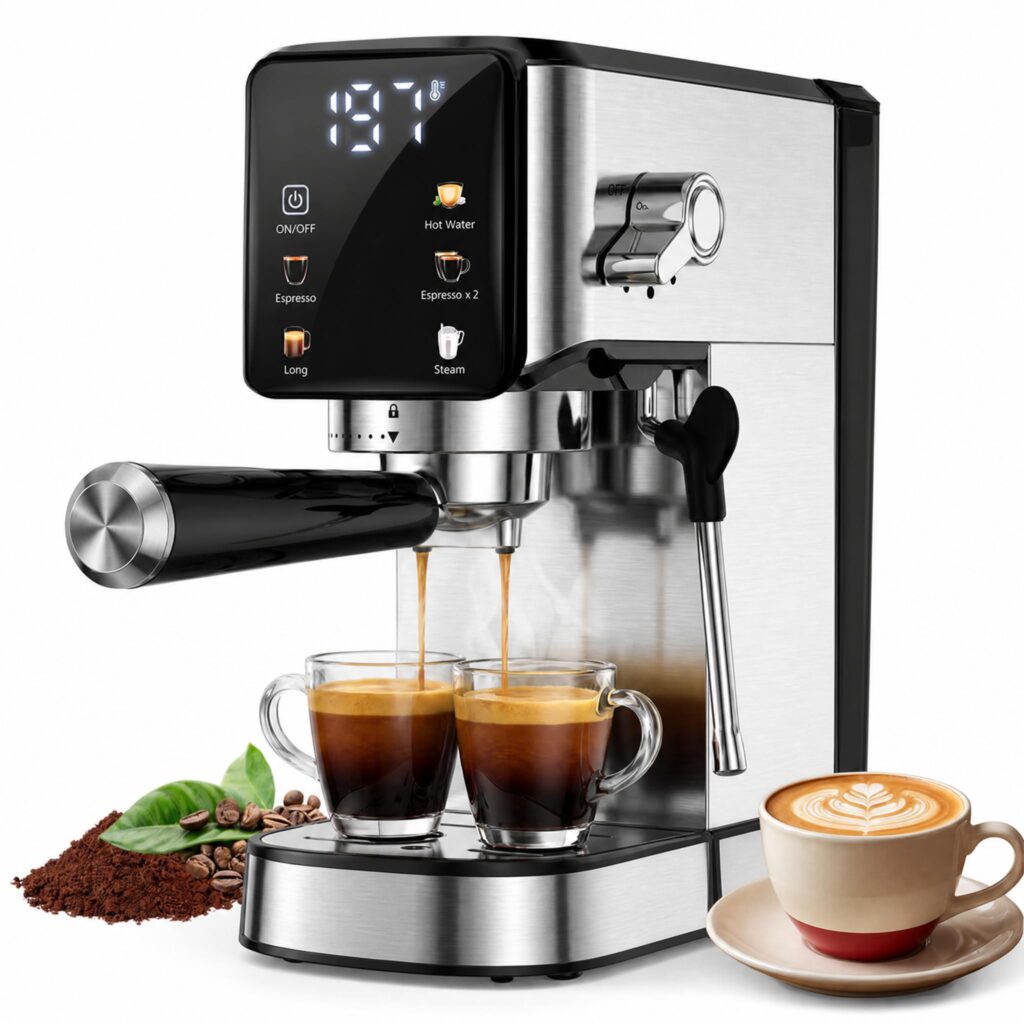
This machine delivers cafe-quality drinks at home with impressive speed and reliable performance that makes daily cappuccino making simple.
Pros
- Heats up in just 45 seconds so you can make drinks quickly during busy mornings
- Creates smooth microfoam with the steam wand that works well for latte art
- Comes with everything you need to start brewing right away without buying extra accessories
Cons
- Only has two customer reviews so it’s harder to gauge long-term reliability
- The slim 4.72-inch width might make it feel less stable on the counter
- Limited information about noise levels during operation
I was impressed by how fast this machine got ready to brew. The 45-second heat time meant I could pull a shot before my breakfast was even ready. The touchscreen interface responded well and made selecting different functions straightforward.
The 20-bar pump produced excellent crema on my espresso shots. Each cup had that golden layer on top that you expect from good extraction. The temperature stayed consistent between pulls, which helped me dial in my grind settings.
Steaming milk with the wand took some practice but produced good results once I got the technique down. I created dense microfoam for my cappuccinos that actually held its shape. The steam power was strong enough to texture a full pitcher without waiting around.
The 39-ounce water tank holds enough for several drinks before needing a refill. I liked that it removes completely for easy filling and cleaning. The drip tray slides out smoothly and catches spills without any leaking issues.
Cleaning after each use was simple since most parts detach easily. The portafilter and filters rinse clean quickly under running water. The included tamper with measuring spoon combo saved me from buying separate tools.
atatix Espresso Machine
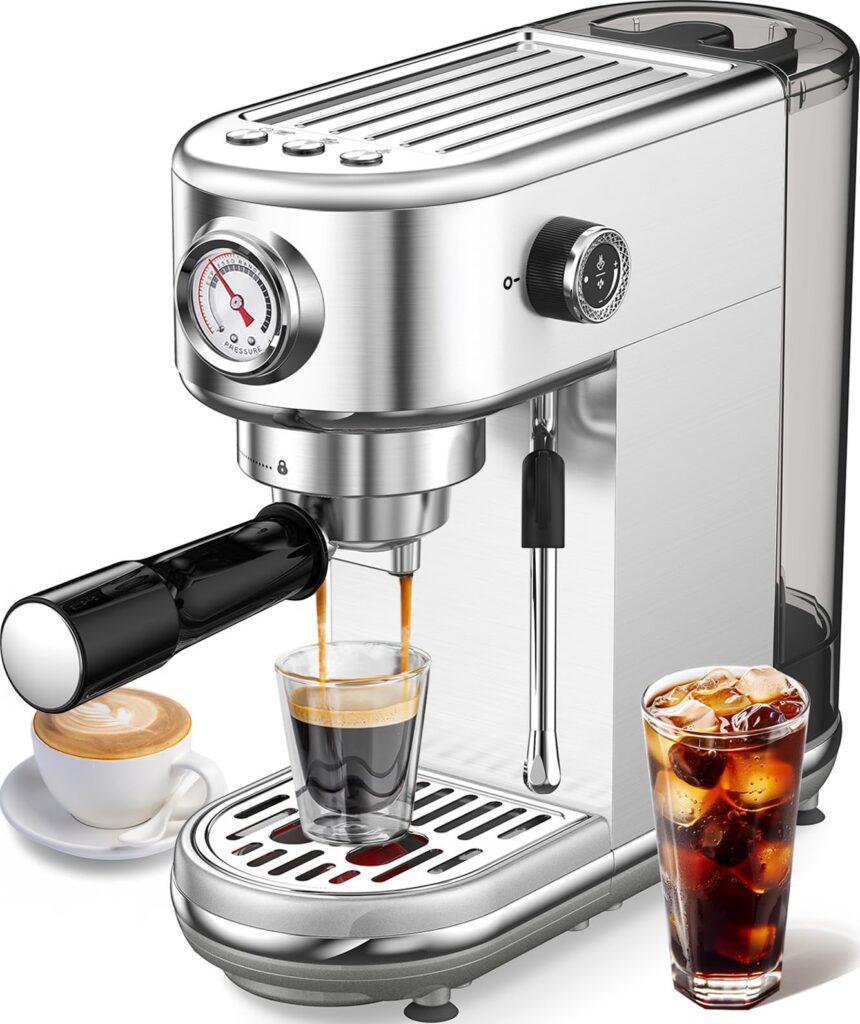
This compact machine delivers surprisingly good espresso and steamed milk for its price point, making it a solid choice if you want cafe-style drinks without breaking the bank.
Pros
- Heats up in just 30 seconds and pulls consistent shots with nice crema
- The steam wand creates quality microfoam for latte art once you get the hang of it
- Takes up minimal counter space and cleans easily with its removable water tank and drip tray
Cons
- The learning curve for milk frothing can be steep if you’re new to espresso machines
- Build quality feels a bit light despite the stainless steel exterior
- Manual extraction mode takes some practice to dial in properly
I was genuinely surprised by how well the atatix machine performed during my testing. The 20-bar pressure system produces that golden crema on top of each shot. I noticed the temperature stayed consistent from shot to shot, which meant my espresso tasted the same every morning.
The automatic modes worked great for my daily routine. I typically use the double shot setting and get around 2 ounces of espresso in about 42 seconds. The manual mode gives you more control, but I found myself sticking with the automatic settings most of the time.
Steaming milk took me a few tries to figure out. The steam wand puts out strong, dry steam that can create silky microfoam. I practiced with it for about a week before I could make decent latte art. Once I got the technique down, my cappuccinos looked almost as good as the ones from my local coffee shop.
The compact size fits perfectly on my counter without taking up too much room. Cleaning is straightforward since the drip tray and water tank pop right off. I appreciate the four suction cups on the bottom that keep it stable while pulling shots.
Mr. Coffee 4-Shot Espresso Maker
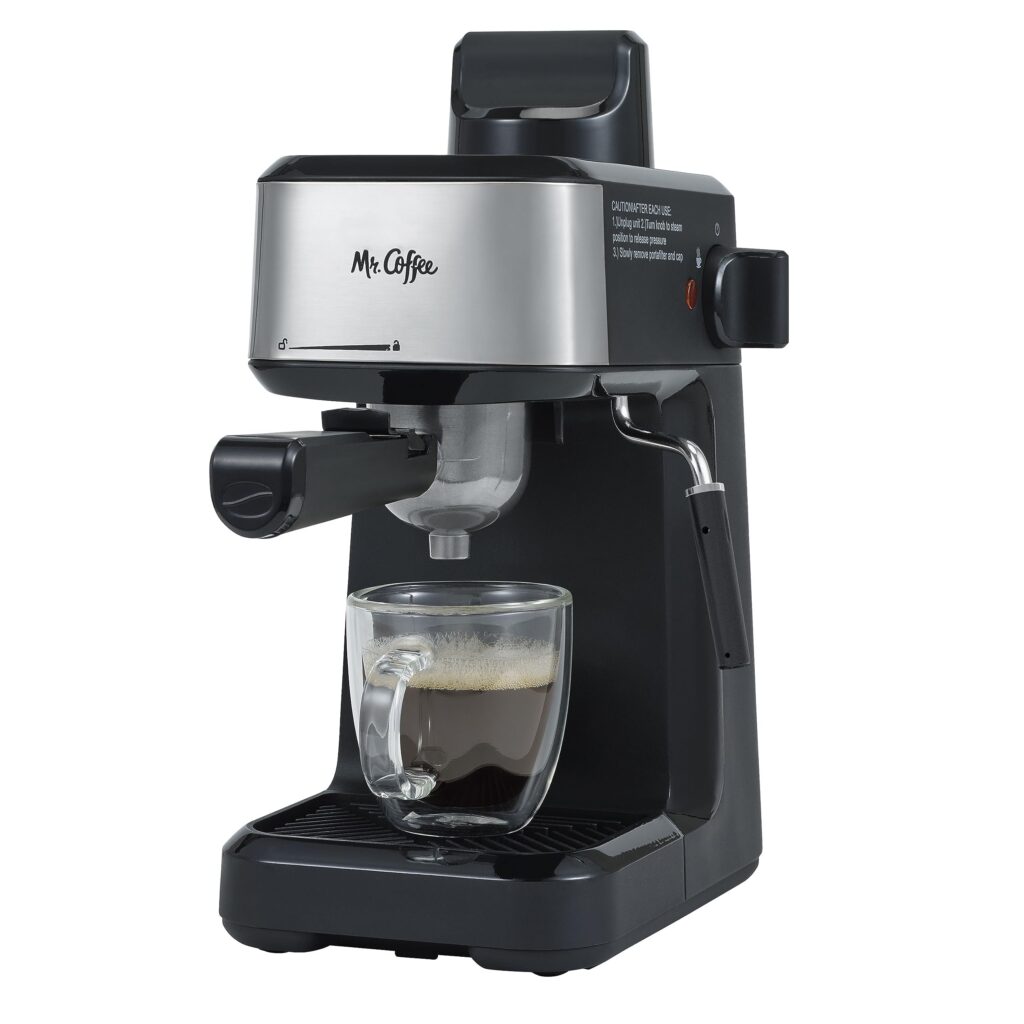
This machine makes solid espresso shots and cafe-style drinks without breaking the bank, though you’ll need a gentle touch and there might be some durability quirks.
Pros
- Brews up to four shots at once with the large portafilter, which is handy for making several drinks at once
- Comes with useful extras like a measuring scoop, water pitcher with markings, and a stainless steel frothing pitcher
- Can pull rich, dark espresso with decent crema if you get your technique right
Cons
- Some folks have reported units quitting within the first few months
- Removing the portafilter too fast can cause messy steam spurts, so it takes a bit of practice
- The build feels flimsier than older Mr. Coffee models
I got surprisingly tasty espresso out of the Mr. Coffee 4-Shot Espresso Maker for what it costs. The steam brewing system pulls dark, concentrated shots that suit both traditional espresso drinks and Cuban coffee. Using fresh grounds and the included scoop, I managed to get consistent results.
The frothing wand actually worked better than I expected. After a few tries with the stainless steel pitcher, I started making microfoam that worked for cappuccinos. The water pitcher’s measurement lines made it easy to get the right amount in without guessing.
Learning to wait before removing the portafilter took me a few tries. If I hurried and popped it off right after brewing, steam would shoot everywhere. Letting it sit for 30 seconds to cool down saved me from those steamy messes.
The four-shot capacity comes in handy when guests drop by. I can pull enough for two big lattes in one go and don’t have to brew multiple times. The machine heats up in about three minutes, which fits well into my morning routine.
I do wonder about long-term reliability, based on what others have said. My unit still works, but I’ve seen enough people mention early failures that I question the quality control. The plastic feels lighter than on older, all-metal machines, which might explain some of the issues.
CASABREWS CM5418 Compact Espresso Machine
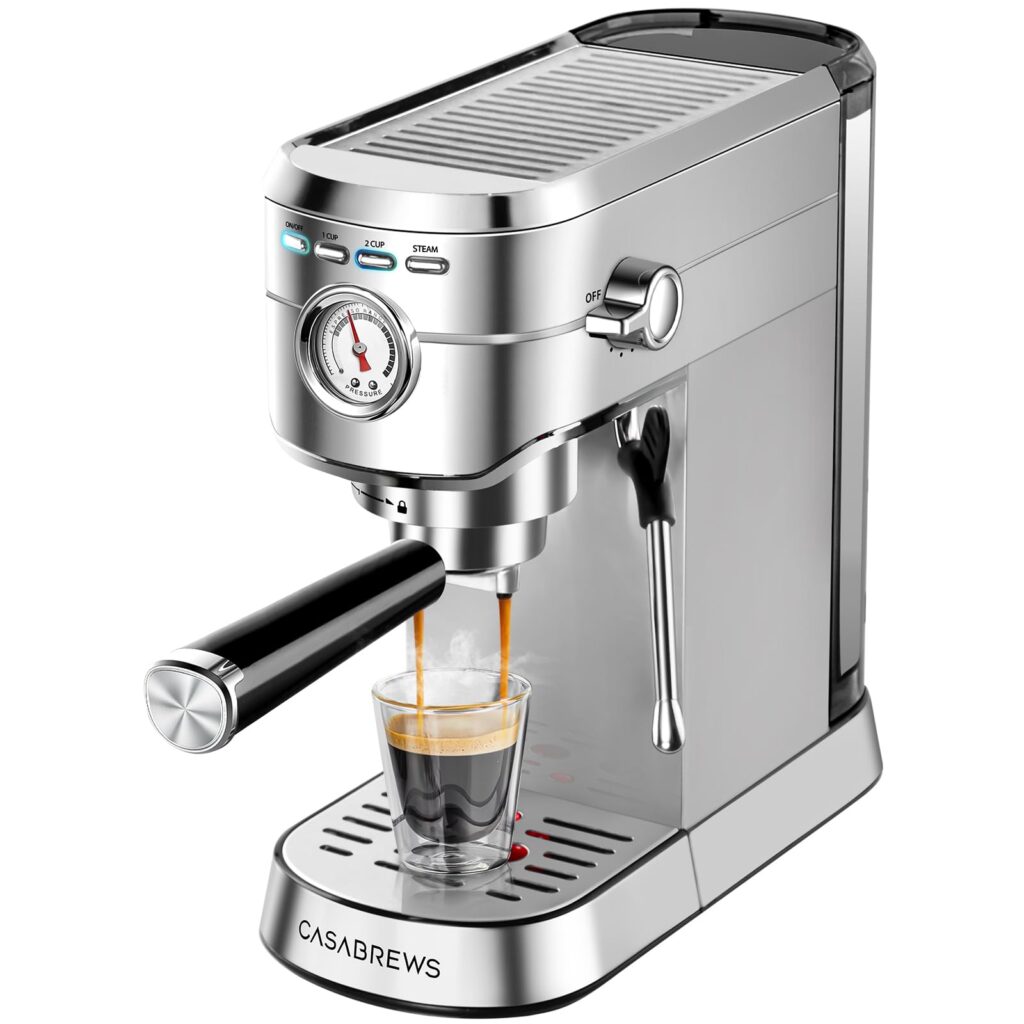
This machine lets you make quality espresso drinks at home without a huge investment or hogging your whole countertop.
Pros
- Pulls rich espresso with a solid crema, thanks to the 20-bar pressure system
- Steam wand can whip up microfoam milk that’s good enough for latte art
- Compact enough for small kitchens but holds plenty of water for several drinks
Cons
- You have to let the machine cool down between brewing espresso and steaming milk
- If you’re new to semi-automatic machines, expect a bit of a learning curve
- Water tank placement sometimes causes a little leaking
I pulled my first shot with the CASABREWS CM5418 after a quick setup. The pressure gauge actually helped me figure out my technique pretty fast. The stainless steel body looks sharp on my counter and feels sturdy enough for daily use.
The steam wand stood out right away. I managed to texture milk for a cappuccino and get that silky microfoam I wanted. The wand’s got enough power to create proper foam without taking ages.
I did run into a surprise at first. After steaming milk, I tried to pull another shot right away, and the machine went into protection mode. The one cup and two cup lights started flashing until I ran hot water through to cool it down.
The 34-ounce water tank lets me make a few drinks before refilling. It pops out easily when I need more water. The included portafilter, tamper, and filters cover the basics for getting started.
This espresso machine does its best work with fresh, well-ground coffee and a good tamp. Watching the pressure gauge during extraction helped me dial in my shots over the first week.
Buying Guide
When I shop for a cappuccino machine, I usually start by thinking about my budget and how often I’ll actually use it. Manual machines cost less but take more skill. Automatic models ask for more money but make drinks with a button press.
Machine Types
From what I’ve seen, there are three main types worth considering:
| Type | Best For | Skill Level |
|---|---|---|
| Manual | Coffee enthusiasts who want control | Advanced |
| Semi-Automatic | Balance of control and convenience | Intermediate |
| Automatic | Quick, consistent results | Beginner |
Key Features to Consider
Pressure makes a difference for espresso. I try to find machines with at least 15 bars of pressure.
Milk frother options include steam wands and automatic frothers. Steam wands give me more control over texture, while automatic frothers are easier but less flexible.
I look at water tank size based on how much coffee I drink. Bigger tanks mean fewer refills.
Heat-up time can vary a lot. Some machines are ready in 30 seconds, others take a few minutes.
Size and Maintenance
I measure my counter space before buying. Some machines are compact, while others demand a surprising amount of room.
Cleaning varies a lot by model. I like removable parts I can toss in the dishwasher. If a machine has an automatic cleaning cycle, that’s a big plus for me.
Build quality shapes how long a machine lasts. I check out the materials and usually lean toward stainless steel instead of plastic.