
(updated July 19th, 2026)
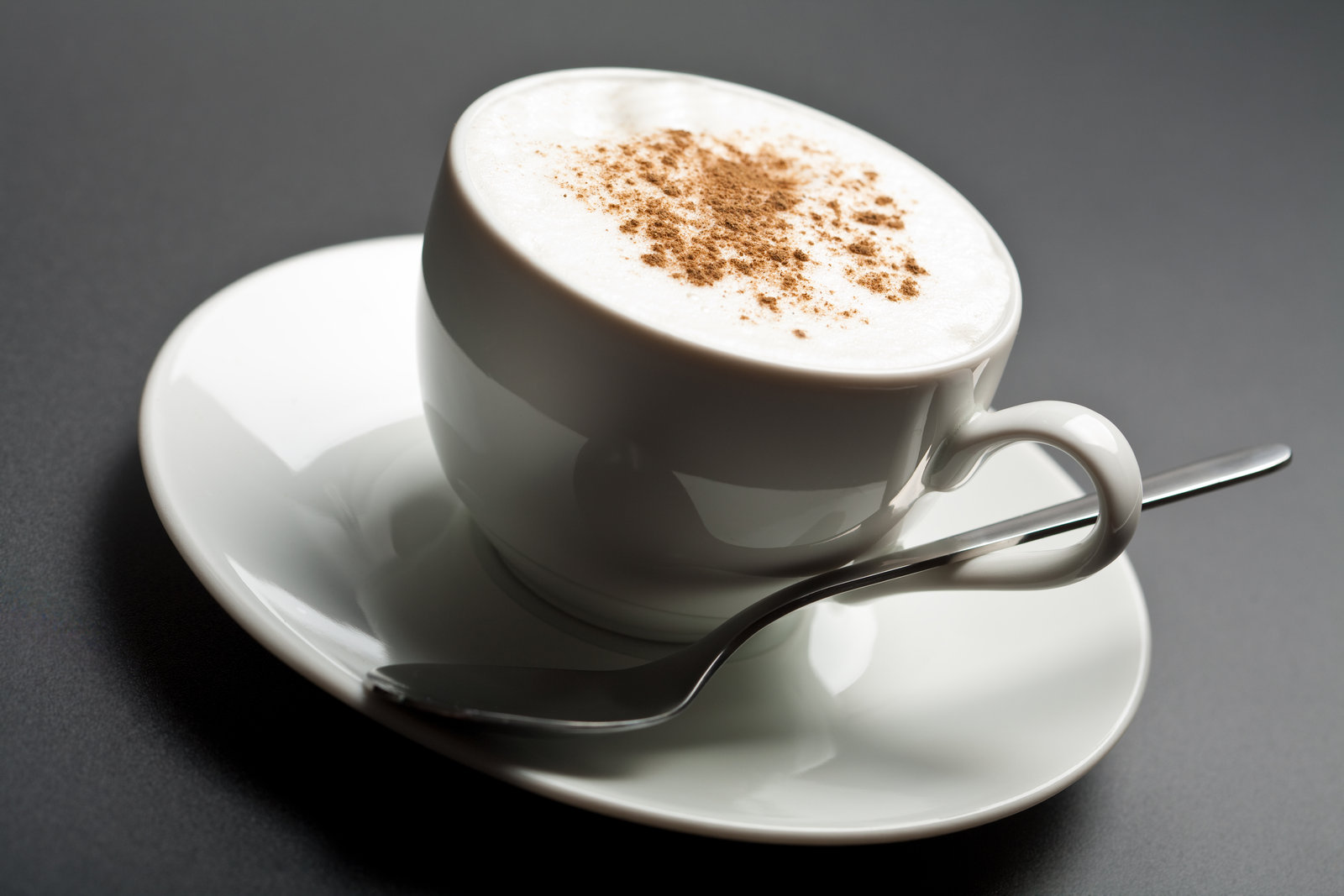
Drink your cappuccino within the first two minutes, in small sips, without stirring it first. That’s the short answer. Wait too long and the foam collapses into the coffee; stir it straight away and you lose the point of ordering a cappuccino instead of a flat white in the first place.
I usually let mine sit for about 15-20 seconds after it’s handed to me, just long enough that the first sip doesn’t scald my mouth, then I go in. Each sip should pull espresso, steamed milk, and foam together, which is why baristas build the layers in that order rather than mixing them in the cup. By the last mouthful you’re left with a thick disc of foam stuck to the bottom of the cup. Spoon that out, it’s my fav bit and most people just leave it there.
There’s real science behind why that foam disappears if you wait too long. The European Space Agency actually ran an experiment on this: foam collapses through three things happening at once, gravity pulling the liquid down out of the bubble walls (drainage), small bubbles shrinking while bigger ones grow at their expense (coarsening), and the bubbles eventually bursting. Space-agency research on foam physics isn’t something you expect to stumble into over a cappuccino, but there it is.
Do You Add Water Or Milk To A Cappuccino?
Milk, not water: a proper cappuccino never gets water added to it. A standard cappuccino is built on a roughly even split of espresso, steamed milk, and milk foam (close to a 1:1:1 ratio), and the milk is steamed to around 150-155°F, hot enough to sweeten it slightly, not so hot it scalds and kills the foam.
Whole milk gives you the richest texture and the most stable foam, but skim, oat, and almond all steam and froth fine if that’s your preference; oat in particular holds foam almost as well as whole milk. Water only enters the picture if you’re making a cappuccino from an instant mix or powder rather than pulling a real espresso shot, and even then it’s a substitute for the missing water content in brewed coffee, not an addition to a normal one. If your cappuccino tastes watery, the fix is a stronger shot or less milk, never water.

Should You Add Sugar To A Cappuccino?
Traditionally, no: a cappuccino is drunk unsweetened in Italy, where the milk’s natural sweetness is considered enough to balance the espresso. That’s a norm, not a rule: plenty of people add sugar and there’s nothing wrong with it.
If you do want it sweeter, add sugar before you take your first sip rather than stirring it in afterward; stirring collapses the foam layer you just spooned into your mouth two paragraphs ago. Start with less than you think you need; the milk already carries some natural sweetness, so a cappuccino needs less sugar than a black coffee does to taste balanced. Taste it once, then adjust.
Should You Stir A Cappuccino?
No, the whole point of a cappuccino is drinking it unstirred, layer by layer. Stirring turns it into a milky latte-strength coffee and flattens the foam you paid for.
The one exception is sugar: if you’ve added it, a light stir is needed to distribute it evenly, otherwise it just sits at the bottom. Some people also stir when mixing in flavoring, chocolate, vanilla, whatever, for the same reason. Outside of those two cases, leave it alone. Let the espresso, milk, and foam stay in their layers, and drink it the way it was built.